
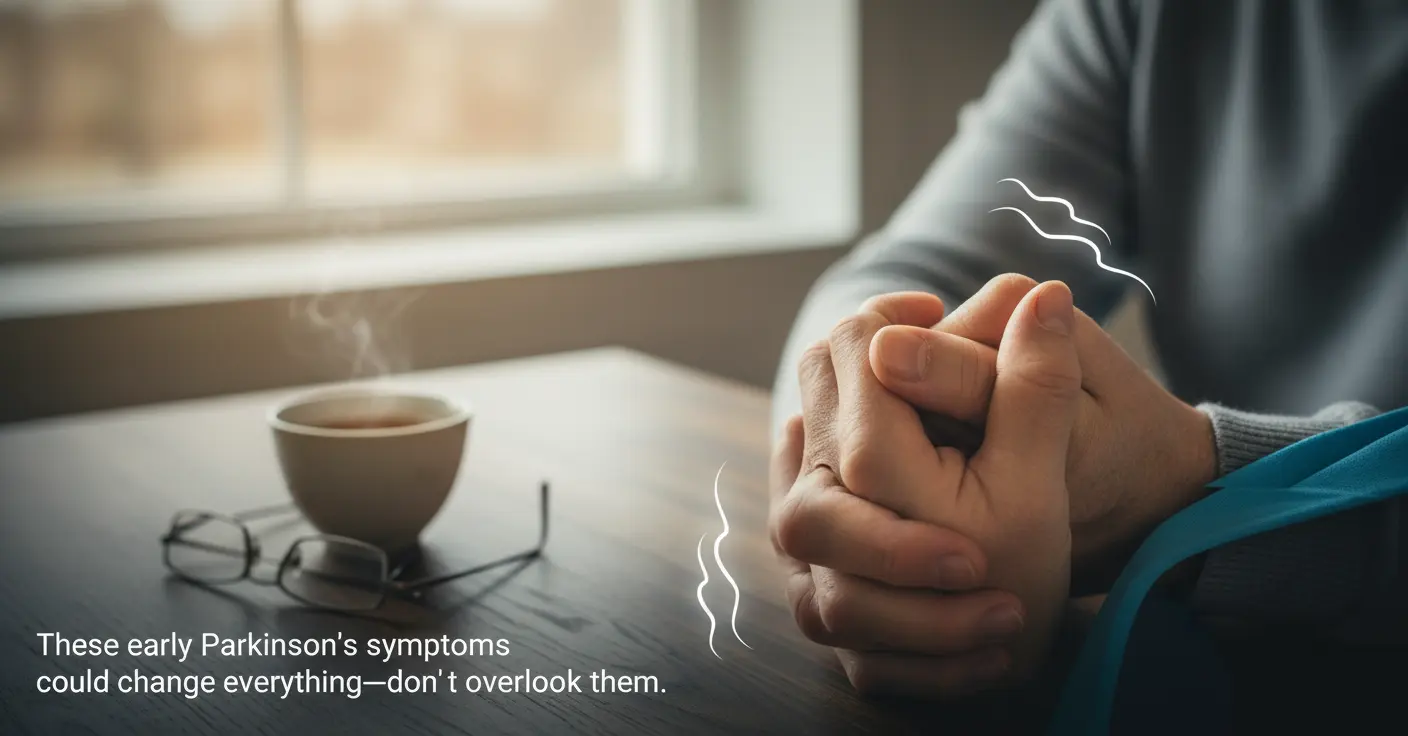
Imagine one day you’re calmly sipping your morning coffee, when you notice your handwriting suddenly looks like an ant parade squeezed onto a stamp. Or maybe your friends keep asking if you’re feeling glum, even when you’re cracking jokes. These small changes might seem innocent, but when they team up, they could be early hints of Parkinson’s disease. Don’t just shrug them off—being alert could truly change everything.
Understanding Early Signs: When to Pay Attention
It’s not always easy to tell if someone has Parkinson’s. In fact, some early symptoms can be so subtle you might just chalk them up to “getting older” or being tired. But when several of these signs appear together—cue the dramatic music—it’s time to think about checking in with your doctor. Individually, none of these symptoms should cause alarm. But together, they can draw a clearer picture.
Signs You Shouldn’t Ignore
- Your handwriting has shrunk: Has your writing become noticeably smaller, or do your words now huddle together on the page? This is called micrographia. It’s one of those motor symptoms that, when occurring alongside others, deserve a second look.
- Body stiffness is creeping in: Are you feeling stiff in your arms, legs, shoulders, or hips? Maybe someone points out your arms don’t swing as much when you walk. Occasionally, that stiffness loosens as you move, but if it lingers, or you feel like your feet are glued to the floor, pay attention. This stiffness or pain could be early signs of Parkinson’s.
- Facial expression seems off: Has someone commented you look more serious or downcast than usual, even if you feel perfectly fine? A fixed or mask-like expression is known as hypomimia and can be another subtle sign.
- Constipation problems: Not everyone likes to talk about their bathroom habits, but it matters. Consistent constipation—especially if there’s no obvious cause—can be an early warning.
But Wait: What’s Just Normal?
Let’s be fair, plenty of everyday annoyances can masquerade as symptoms. Here’s when not to worry:
- Handwriting changes: It can alter naturally with age, especially if you have poor vision or arthritis. So, unless you’re also noticing other signs, no need to panic.
- Loss of smell: Got a cold, the flu, or a blocked nose? A diminished sense of smell in these cases is totally expected and should bounce back once you recover.
- Sleep issues or body jerks: Everyone has bad nights or the occasional twitch as they drift off. Random body movements during lighter sleep are common and, usually, harmless.
- Body stiffness from injury: Hurt your arm or shoulder lately? Limited movement is to be expected while healing. Even arthritis can cause similar discomfort, so context is key.
- Constipation: Eating too little fiber or not drinking enough water? Certain medications—particularly painkillers—can also slow things down. Addressing diet or reviewing your meds with a doctor can often explain this one.
- Mask-like face from medication: Some drugs might leave you looking a bit more stoic than usual, but stop them, and your normal expression should return.
- Tremors: Feeling shaky after stress, injury, or intense exercise? Even some medications can trigger tremors. Only if they persist without reason should alarms ring.
- Dizziness on standing: Nearly everyone’s felt a little woozy after getting up too quickly. If it happens a lot, though, let your doctor know.
So, What’s the Takeaway?
Parkinson’s can be a master of disguise, sending out subtle signals that often hide in plain sight. Seeing just one sign isn’t enough for concern—seriously, let’s not start self-diagnosing every paper cut! But noticing several together is the body’s nudge to get a medical opinion. Ultimately, listening to what your body tries to tell you (even if it sometimes mumbles) and reaching out to a healthcare professional when something doesn’t add up is the smartest move you can make. After all, when it comes to health, it’s better to be safe—and stay one step ahead—than sorry.

John is a curious mind who loves to write about diverse topics. Passionate about sharing his thoughts and perspectives, he enjoys sparking conversations and encouraging discovery. For him, every subject is an invitation to discuss and learn.