
Imagine waking up one day to find your bank account blessed with €1,200 every single month, no strings attached. No, this isn’t the premise of a new game show or a lost email from a very generous Nigerian prince—it’s a real experiment shaking up daily life in Germany’s heartland, and for 122 lucky winners plucked from a pool of nearly two million hopefuls, it truly feels like they’ve hit the jackpot.
A Universal Basic Income Experiment Like No Other
Since July 2021, 122 randomly chosen Germans have been receiving €1,200 each month for three whole years. This trial doesn’t include any hidden requirements—participants can keep their jobs, continue their studies, or even chase that lifelong dream of perfecting the handstand. The purpose behind this free-flowing fountain of euros? Testing the true impact of a universal basic income (UBI) on regular people—something that’s sparked debate after debate for years, often with both sides entrenched in clichés or staring at the bottom line.
What’s especially unique here is how the project came to life. The monthly payments aren’t coming from government coffers but from the pockets of more than 181,000 generous donors. That’s right—crowdfunding for a cause most would gladly sign up for. All findings from the experiment are destined for the German government, with a complete analysis expected to land on their desks in 2024.
Why €1,200, and For Whom?
The German Institute for Economic Research, which helms the study, carefully set the monthly sum at €1,200—just above the national poverty line (the French equivalent, incidentally, sits at €1,015). According to Steven Strehl, the project’s initiator with the Berlin-based association Meinmindesteinkommen (“my minimum income”), discussions in German society about basic income tend to fixate on funding mechanisms. This initiative pivots the spotlight onto how such money affects people’s real lives instead.
This is not the association’s first rodeo. Back in 2017, it ran a smaller, one-year trial giving €1,000 monthly to 85 low-income individuals. But in the current, larger-scale project, there’s no income filter. The 122 participants—all middle-class, living alone, aged between 21 and 40—were picked at random. Participation is refreshingly flexible: recipients may work, play, travel, or even nap a little more, without penalty or obligation.
Meet Elisabeth: A Real Lottery Winner (Well, Almost)
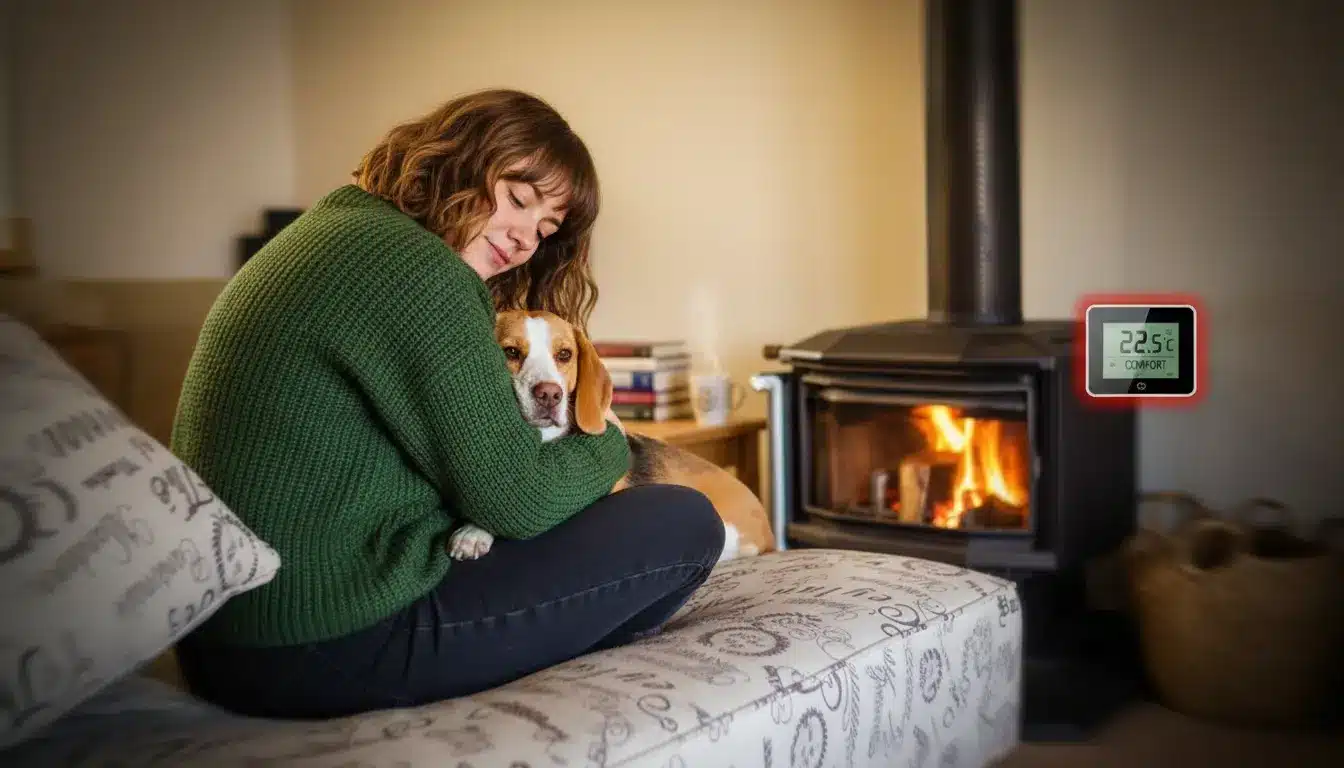
Among the fortunate 122, France 3 Grand-Est caught up with Elisabeth, a young woman from Baden-Württemberg. Her reaction? “I felt like I won the lottery,” she beams. Since the start of the experiment, Elisabeth pockets the extra €1,200 alongside her regular salary, basking in a period of newfound financial ease—and, as she reports to researchers and sociologists studying the impact, a much better night’s sleep. “I notice I sleep better. Full, peaceful nights!”
The experiment doesn’t just drop money and vanish: each participant completes three interviews—one at the start, one halfway, and one at the end—to measure stress and track any changes. Jürgen Schupp of the German Institute for Economic Research put it simply: over the course of three years, they’re investigating if, and how, a guaranteed, unconditional sum exceeding subsistence level transforms people’s behaviour.
As for Elisabeth’s spending? True to her thrifty habits, she hasn’t turned overnight into a big spender. “I’ve always been frugal—but now, I finally bought myself a bicycle I had been dreaming of for over a year, and I made a donation to a women’s aid association, something very close to my heart.” This extra cushion also opens the door to new dreams—perhaps even travelling in Asia. Still, Elisabeth is well aware that the financial fairy godmother is temporary. “I know it will stop after three years, so I save most of what I get.”
What’s Next? The Big Question for Germany
As the clock ticks toward 2024, the scheme’s results will wing their way to the German government. The grand finale aims not just to see if Germans buy more bikes, but to inform a crucial question: should there be a fixed minimum income for all (like this €1,200), or simply a threshold ensuring no one falls below a certain basic level?
- 122 participants
- €1,200 per month, for three years
- No prerequisites or obligations
- Financed by 181,000 private donors
- Results to be delivered in 2024
In the end, this living experiment offers something more than just monthly cash—it offers peace of mind, the ability to make meaningful choices, and perhaps a better night’s sleep. Whether this ticket to security turns out to be a one-off or the start of a new social contract is a question Germany, and maybe the world, waits to see. For now, for people like Elisabeth, it’s proof that sometimes life really does surprise you—in a very good way.

John is a curious mind who loves to write about diverse topics. Passionate about sharing his thoughts and perspectives, he enjoys sparking conversations and encouraging discovery. For him, every subject is an invitation to discuss and learn.