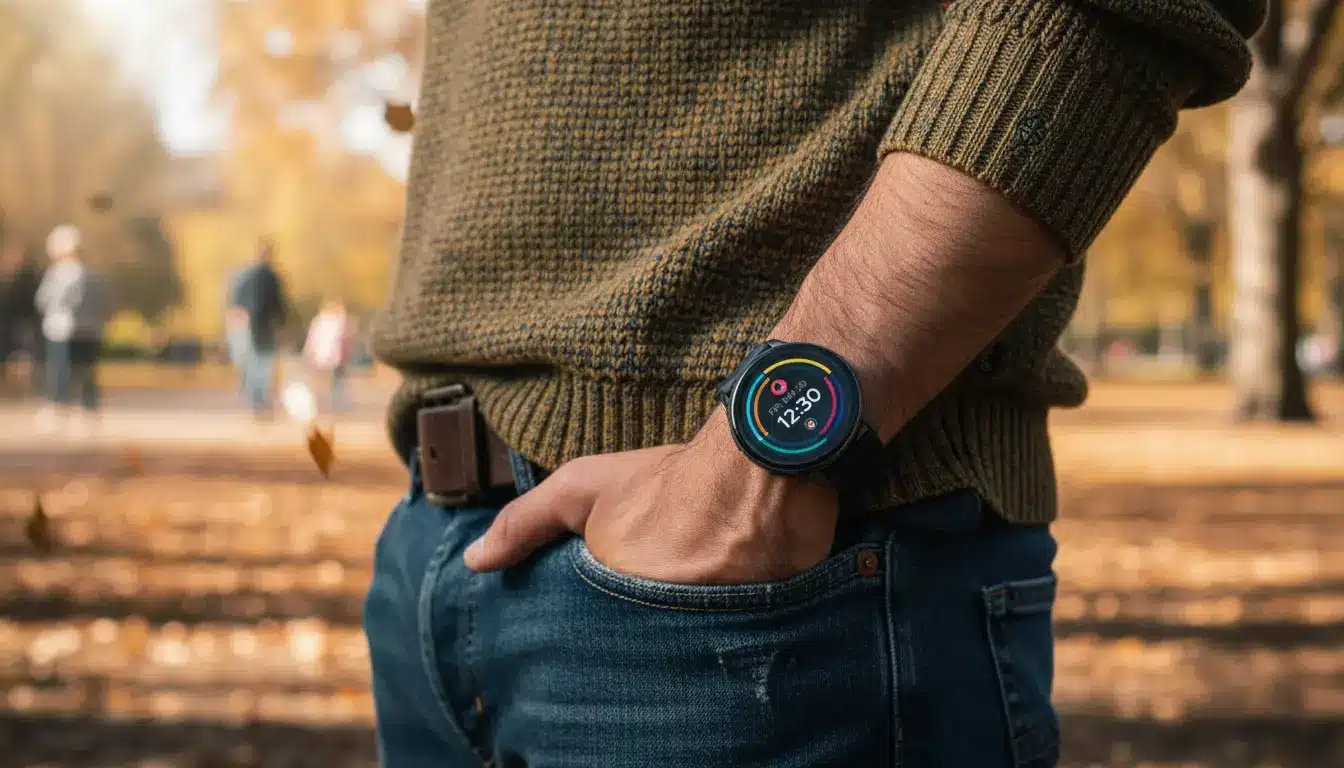
Think the best smartwatches are the ones packed with all the bells, whistles, and a processor that could (almost) power a spaceship? Time to reset your expectations. The true standout wearables may not be the « geniuses » you expect—but the reliable workhorses you actually need on your wrist.
The Two Camps: Smart vs « Dumb » (But Who’s Laughing Now?)
Let’s boil down the smartwatch world to its basics. On one side, there are the « fancy » types—think Samsung, Apple, Fossil, or TicWatch, running on Wear OS, watchOS, or, once upon a time, Tizen. These are loaded with robust processors, teeming with apps for every conceivable purpose, and boasting slick, fluid screens. They are the tech enthusiast’s dream—on paper, at least.
On the other, we find the so-called « dumber » watches running on RTOS or HarmonyOS. These have simpler ambitions: showing the time, tracking your physical activity, relaying your notifications, playing music if you’re lucky, and maybe letting you take a call. No, they won’t run the next viral third-party app. But don’t roll your eyes yet; there’s more than meets the eye.
The Not-So-Obvious Drawback: Battery Life
With great (processing) power comes a not-so-great battery life. Those feature-packed smartwatches often suffer from puny batteries—they need massive juice to keep the apps, real-time health metrics, and vivid displays going. Qualcomm’s Snapdragon Wear chips (3100, 4100, 4100+) have a near-monopoly in the Wear OS world, but squeezing more battery into the tiny frame of a watch is, well, a tall order.
The result? Disappointing autonomy. Even with software progress like Wear OS 3, watches like Galaxy Watch 4 and Watch 4 Classic struggle to last more than two days—sometimes less, even with « always-on » displays or real-time heart monitoring turned off. Previous Wear OS watches sometimes barely made it through a day. Apple does little better: the Apple Watch Series 6 topped out at one full day, with the Series 7 still officially capped at about 18 hours, despite a larger display.
Unfair? Consider this: recharging a smartwatch nightly, like your phone, should be no big deal, right? But as manufacturers increasingly tout advanced sleep tracking features, your watch needs to stay on your wrist, not the charger, all night long.
But Sleep Data! (And Why Charging Overnight Fails Us)
Modern smartwatches analyze when you fall asleep and wake up, distinguish between your light, deep, and REM sleep phases, and often check your blood oxygen levels throughout the night. Samsung, ever-diligent, will even record your snoring for a gentle morning humiliation. Some watches go further, monitoring your breathing to detect issues like sleep apnea.
Here’s the catch: if you must charge your watch while you sleep, all these touted features vanish into thin air. Yet, Apple and Samsung heavily promote these nightly health functions. Apple, for instance, spotlights the Series 7 and its Sleep app, with promises to track your breathing for better sleep routines. Samsung’s Galaxy Watch 4 does likewise, tracking sleep stages and snoring (« we’re not saying you snore »).
Apple tried to sidestep this issue with faster charging. The Series 7 regains a full battery in about an hour, with promises that just an 8-minute charge could power a night’s sleep tracking. But you must remember to charge it every day—and pick it up promptly, or those eight hours of sleep tracking disappear.
Polls from users confirm the problem: over half recharge their watch overnight, missing out on everything the health metrics promise.
The Real Standouts: Simpler Watches Do the Job (and Then Some)
While high-powered smartwatches show off their app stores, many users just want these basics:
- Check the time
- Read notifications
- Track activity
Sound familiar? That’s what the so-called « stupid » watches by Amazfit, Huawei, OnePlus, or Zepp deliver. They promise a week (or more!) of battery life and still track your sleep, heart rate, blood oxygen, and sometimes GPS—all for a lower price. You may not get an ECG or third-party app galore. Most of these watches don’t let you install extra apps or link up Bluetooth headphones, and require a smartphone to be truly useful. But for many users, that’s enough.
Surveys back this up: in 2018, CCS Insight found the most-used smartwatch features were checking the time, notifications, and activity tracking—exactly what these battery-friendly watches nail. The OnePlus Watch, ridiculed at launch, holds a week’s worth of charge. Huawei’s Watch 3, Amazfit’s GTR 3 Pro, and others boast four-to-twelve-day battery lives, even with heart tracking and always-on displays running. (Who’s the smart one now?)
Granted, these are not the flashiest or most powerful devices out there. But when you weigh practicality and uninterrupted health tracking, sometimes « good enough » and « always on » beats « every app you could imagine—but only for 18 hours. »
So, are the best smartwatches the most high-tech or simply the ones that quietly get the job done, day in, day out, with time left to spare? In many cases, the unflashy, reliable options might just deserve a spot on your wrist. And when you’re not desperately hunting for a charger mid-day, you’ll know why.

John is a curious mind who loves to write about diverse topics. Passionate about sharing his thoughts and perspectives, he enjoys sparking conversations and encouraging discovery. For him, every subject is an invitation to discuss and learn.