Let’s face it: Not everyone wants washboard abs at the price of a sore neck or worse, a troubled pelvic floor. But what if you could unlock core strength, improved posture, and even better digestion without ever doing a single crunch? Welcome to the world of hypopressive gymnastics—a gentle, deeply effective abdominal workout that’s all about protecting your back and pelvic floor (and yes, your dignity on the mat).
Origins of Hypopressive Gymnastics: A Smart Alternative
This isn’t just one more fitness fad destined to gather dust next to your old ThighMaster. Hypopressive gymnastics was created in the 1990s by Belgian physiotherapist Dr. Marcel Caufriez, specifically to tone the abs without damaging the pelvic floor. The method quickly established itself as one of the best for abdominal care and posture support—gaining a loyal following particularly among women after childbirth, though it’s far from reserved only for them.
The word « hypopressive » might sound intimidating (perhaps like something prescribed after a run-in with the law), but don’t let it spook you. At heart, it’s a breathing and postural technique that activates the abdominals while preserving the pelvic floor and back. According to yoga doctor and author Bernadette de Gasquet, “It’s our abdominals that make us exhale; when we breathe out deeply, they contract naturally and thus get a workout.” Lucky for us, it turns out that breathing—something even procrastinators do all day—can actually sculpt your core!
How Does Hypopressive Gymnastics Work?
The magic lies in a unique blend of controlled breathing and body positioning:
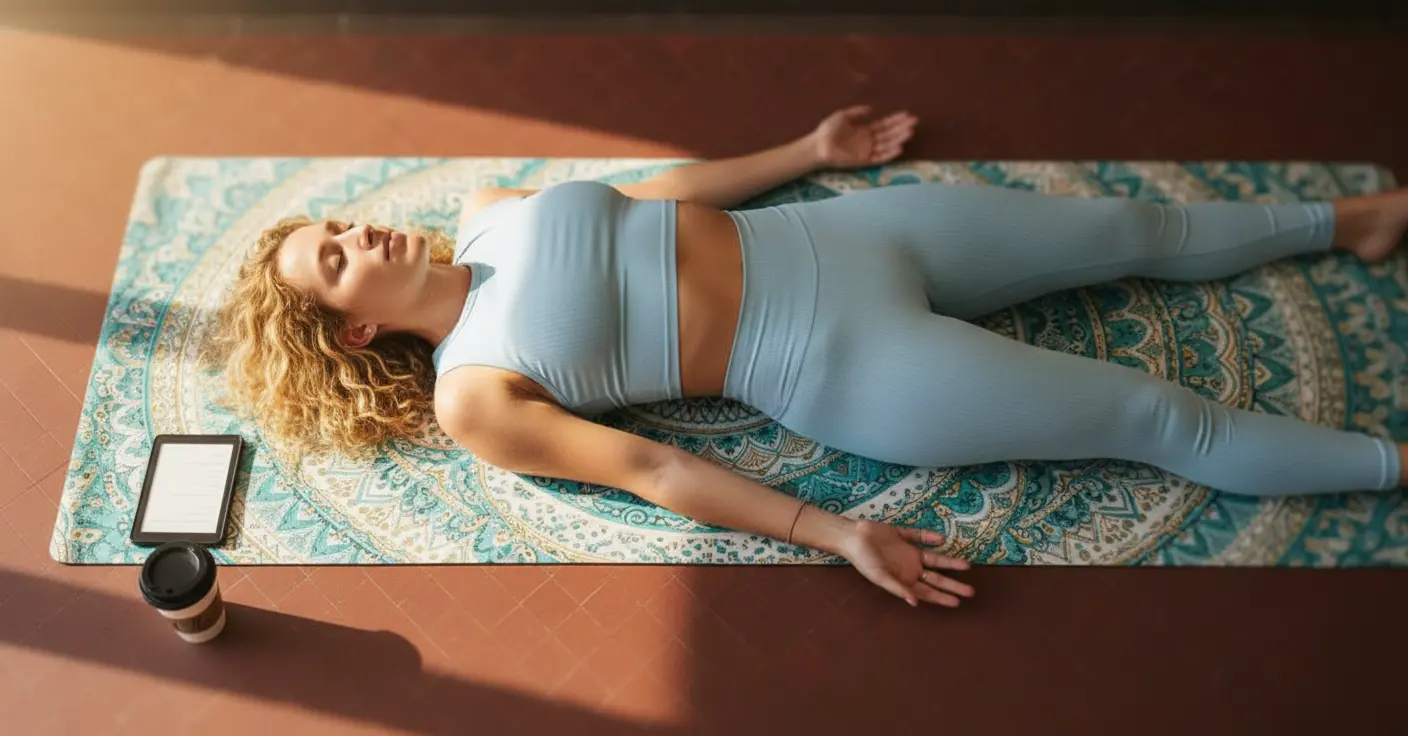
- Start lying down or seated with your neck aligned with your spine.
- Exhale completely until there’s no air left in your lungs; your abs will contract on their own.
- Hold your breath for a few seconds, lifting your chest and sternum while tucking in your belly button. Picture someone about to ‘fake inhale’—drawing the chest up but not taking air in. The stomach hollows as if vacuumed in.
The original version involved lengthy breath holds, but the version commonly practiced today uses much shorter apneas (and is thankfully more manageable for mere mortals!). It’s the kind of exercise you can slip into your day whenever you remember—no special gear required (although, as with all workouts, don’t forget your dignity).
Beyond Crunches: The Real Benefits for Body and Posture
Why bother switching from classic crunches? For one, the traditional ab exercises like sit-ups can wreak havoc on the neck and back, while also exerting high downward pressure on the abdomen and pelvic floor. De Gasquet explains: “When seated, we have 30 to 40 millimeters of mercury pressure in the abdomen. Some fitness moves can shoot up to 350, putting dangerous strain on the female urethra and damaging everything. With proper breathing, pressure can drop to -50—you essentially suspend the organs, so you don’t press down on them.”
This breakthrough is especially relevant for anyone affected by gravity’s less charming side effects—think organ descent and urinary leaks. But the perks don’t stop there:
- Deep core activation: The technique targets not just surface abs, but especially the transverse and obliques.
- Posture and spinal health: By “lifting” the organs instead of pushing them down, hypopressive work decompresses discs in the lumbar area (where hernias and osteoarthritis like to lurk). The goal? Separate your shoulders from your pelvis, especially if you tend to collapse forward at a desk—stretching makes you taller and slimmer, with less “thickness.”
- Digestive support: The method creates an internal “massage” that stimulates digestion, helps the bladder empty more completely, and generally perks up all abdominal organs.
- Accessible and inclusive: While famous among those who’ve undergone perineal rehabilitation, these exercises are suitable for anyone seeking a toned core without unnecessary risk.
How to Start—And Keep Going
You don’t need to perform marathon-length breath holds. « The Caufriez method is a real respiratory exercise with neurological action, but long apneas aren’t for everyone, » says Dr. de Gasquet. Instead, short inhalation holds do the trick with far less struggle. Once you’re comfortable with the technique lying down, progress to varied positions—sitting or even standing.
Sports coach Lucile Woodward suggests combining hypopressive gymnastics with conventional muscle strengthening. “Once you understand and master the method, posture and breathing become real reflexes that can be incorporated into all your daily movements. The key for everyone is to avoid pressure on the lower abdomen—especially the pelvic floor.”
In conclusion: If you’re ready to protect your back, pelvic floor, and pride (bye-bye, awkward crunch faces!), hypopressive gymnastics offers a safe, smart, and altogether uplifting approach. Remember: regular practice not only shapes your waistline over a few weeks but also helps elongate your stance and nurture your gut. So the next time someone launches into an endless set of crunches, you can enjoy a deep breath, a gentle stretch, and the quiet satisfaction of knowing you’re working smarter—not harder—for your core health.

John is a curious mind who loves to write about diverse topics. Passionate about sharing his thoughts and perspectives, he enjoys sparking conversations and encouraging discovery. For him, every subject is an invitation to discuss and learn.