
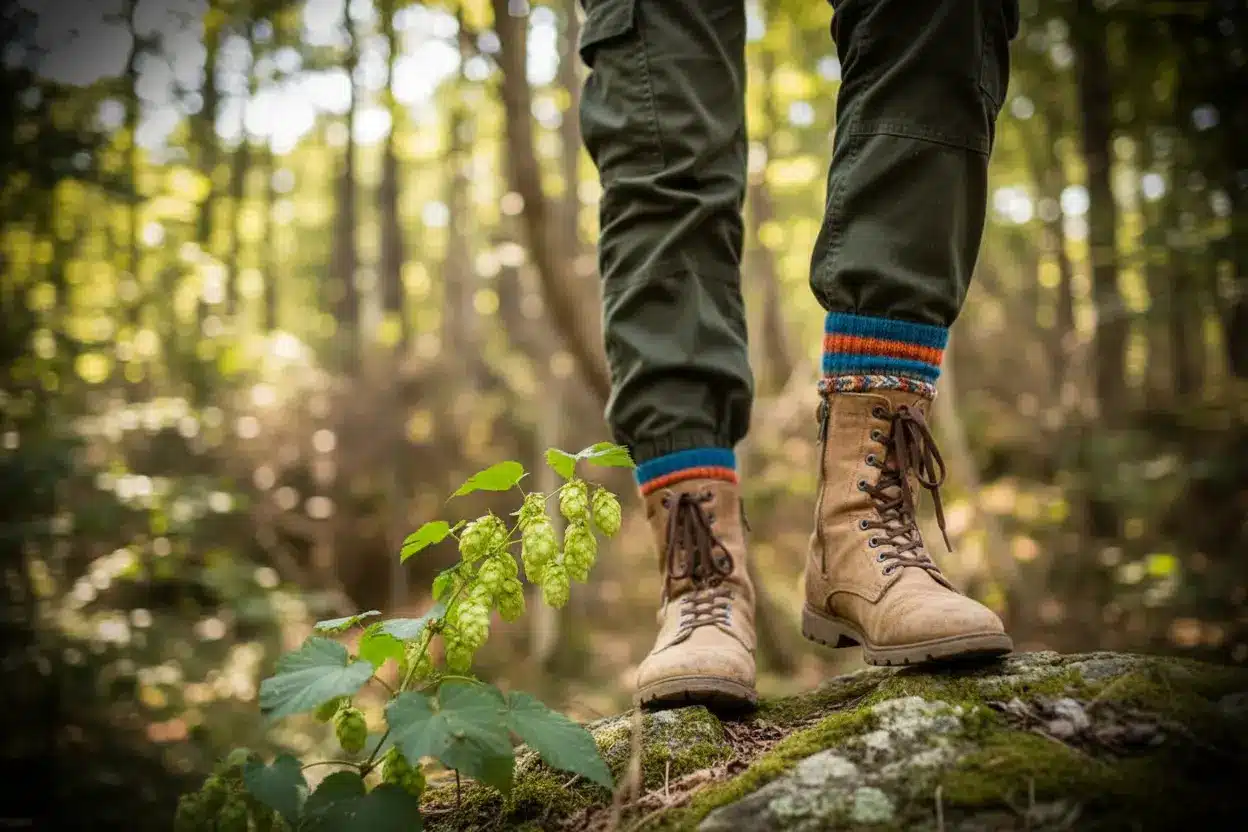
Walking along your favorite woodland path, you might be crushing a treasure worth more than your entire meal plan — and you don’t even know it. Buried in the shadows of oaks and maples, amidst the humdrum of weeds and underfoot brambles, a secret delicacy lies in wait: the humble hop shoot, quietly holding its title as possibly the world’s most expensive vegetable.
The Hidden Gem Beneath Our Feet
The hop plant, famed worldwide for its starring role in brewing beer, holds a luxurious secret at its base. While the majority associate hops with the floral infusions enhancing their favorite beers, few realize the plant’s young shoots are a carefully guarded culinary secret. Known, fittingly, as « hop shoots, » these tender green or white sprouts make their shy debut every spring. Not unlike asparagus in their appearance and cultivation, hop shoots favor only the earliest signs of the season, emerging just as the world dusts itself off from winter’s chill.
Though most backyard gardeners and ramblers are blissfully unaware, epicures across Europe know — and pay handsomely — for hop shoots. Especially in the Netherlands, these precious greens can fetch up to €1,000 per kilogram. That’s right: the next time you recoil at artisan lettuce prices, remember there’s a plant out there that makes caviar look like budget fare.
The Truffles of the North
If you’re surprised at the acclaim, consider Belgium, where hop shoots have earned the moniker « Truffles of the North. » Their subtle bitterness and nutty undertones have won over chefs and food lovers alike. The typical preparation is an exercise in restraint: a gentle sauté in butter, letting the natural flavors shine without distraction.
Why such astronomical pricing? Well, it’s partly nature’s own hard-nosed economics. Each shoot weighs about a single gram, and only the top three centimeters are tender enough to eat — the rest is unpleasantly woody and unchewable. Gathering enough worth serving takes time, skilled hands, and more patience than your average Sudoku enthusiast can muster.
- Delicate and rare, they emerge only for a brief season.
- Less than a handful of dedicated growers worldwide cultivate them, with most notable being in Bavaria, Belgium, and Alsace.
- Wild hop shoots often appear where you’d least expect: along hiking trails, peeking at the edges of gardens or lost among undergrowth.
The Art of Foraging for Culinary Gold
Foraging for hop shoots isn’t your average nature stroll. These plants don’t exactly raise a flag to announce themselves. They tend to appear as climbing sprouts — either green or, in their most prized form, ghostly white. Finding them involves getting your hands dirty, literally. You must peel back the tangled leaves to spot the edible tips, sometimes relying on memories of last year’s hop flowers to clue you in.
It’s a pastime not far removed from wild mushroom hunting — equal parts skill, luck, and a touch of insider knowledge. The most coveted, and expensive, are the white shoots that appear very early in the season. Shielded from sunlight, they rise from the darkness of the soil, never developing the green pigment of their sun-exposed cousins.
It might boggle the mind to know how often we step unknowingly on these gourmet treasures as we hike or tend our gardens, ignorant of their extraordinary value.
Look Twice: Nature’s Bounty May Surprise You
So, the next time you find yourself meandering through nature, take a pause among the so-called weeds. What you consider mere ground cover could, in fact, be hiding culinary loot. Whether you’re an aspiring forager or just someone with a renewed appreciation of their forest walks, hop shoots are a vivid reminder of nature’s quiet generosity — a luxury hidden almost in plain sight.
Should curiosity get the better of you, remember: sometimes the rarest delicacies are just waiting beneath your feet. Tread lightly. Your wallet — and taste buds — may thank you!

John is a curious mind who loves to write about diverse topics. Passionate about sharing his thoughts and perspectives, he enjoys sparking conversations and encouraging discovery. For him, every subject is an invitation to discuss and learn.