Ever felt stuck in a rut, craving results and armed only with determination, a food scale, and a looming deadline? Meet Ree Drummond, aka « The Pioneer Woman. » In January 2021, she set herself a challenge: lose weight for her daughter’s wedding. One year later, she revealed on her blog how she achieved genuine, sustainable results—not with magic, but real-life tweaks anyone can try.
The Journey Begins: Realization and Calorie Deficit
At the start, Ree admitted she had no grand master plan for losing weight. But, ever the pioneer (pun absolutely intended), she decided to aim for a daily calorie deficit—burning more calories through basic activity and exercise than her body needed to maintain her weight. Forget mystical diets or forbidden foods. She simply decided to move more and eat just a bit less.
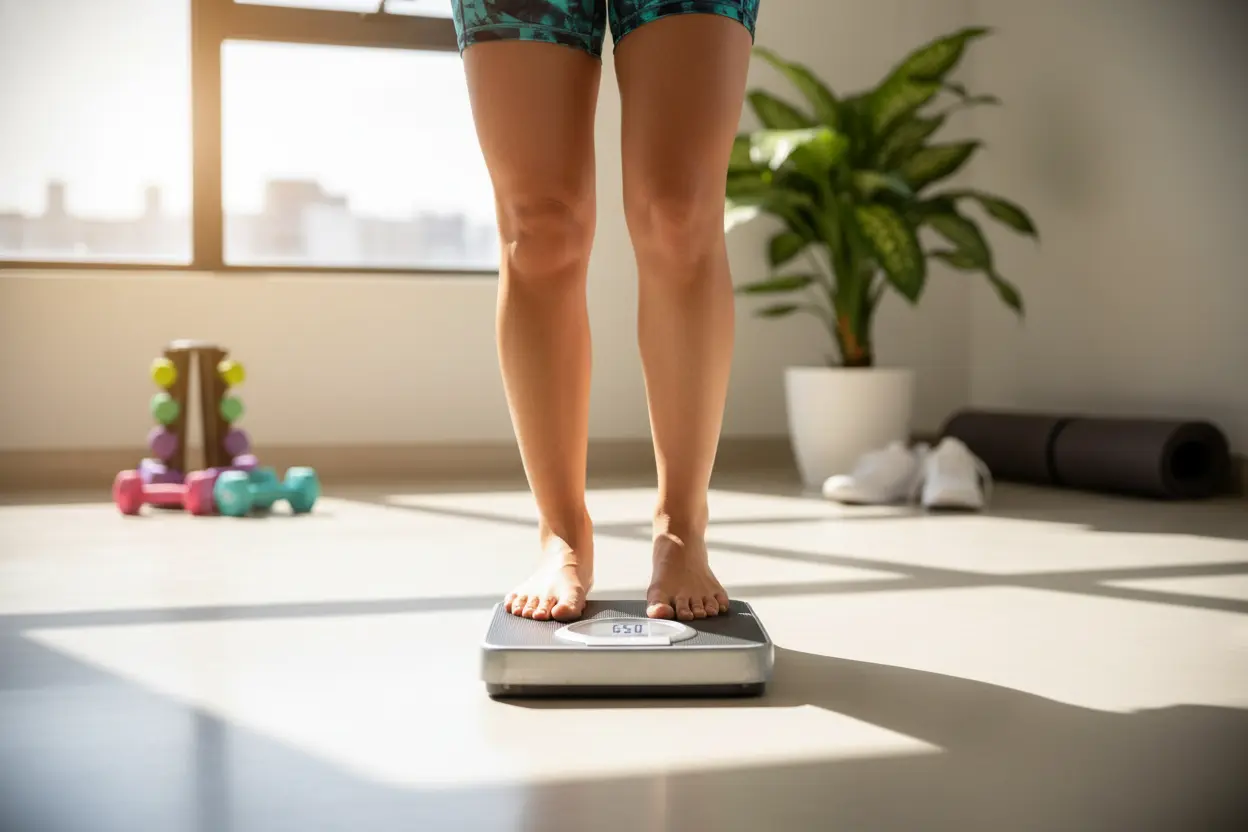
To get precise, Ree started using a digital food scale. This opened her eyes: she was eating far more than necessary! Armed with her trusty scale, she reduced her portions but kept eating all the foods she loved. No frustration, no deprivation—just less on the plate. She emphasized, « I still ate good food. I just ate less of it and appreciated the calories more, making sure what I did consume offered good nutritional value. »
Exercise and Muscle: Finding the Missing Spark
Ree admitted that, for years, walking her dogs was the extent of her physical activity. Realizing this wasn’t quite Olympic training, she switched gears and started setting aside daily time for real exercise, even if it never seemed like the « right moment. » After an initial weight loss plateau around six weeks in, she researched and discovered the importance of building muscle: muscles burn more calories than fat. Her conclusion? If you’re chasing calorie burn, focus on building up your legs and glutes—they’re far more substantial than arm muscles. Talk about working your assets!
- Consistent daily movement—no matter how small the session
- Intentionally focusing on larger muscle groups
- Overcoming the « no time » excuse
Protein, Sugar Swaps, and the Alcohol Edit
Alongside counting calories, Ree decided to monitor her daily protein intake. She realized she was getting about 15–20% of her calories from protein; she bumped this up to 30–40%. The result? Success! More protein left her feeling fuller and more energetic. Science agrees: according to a study in Nutrients, a high-protein diet supports more diverse gut flora and beneficial bacteria, which may help with weight loss by enhancing metabolism and suppressing bacteria associated with obesity and fatty liver disease.
- Increasing protein for satiety and energy
- Reducing, not banning, sweet foods. (Yes, she sometimes had half a donut—the willpower!)
- Avoiding unnecessary sugar helped her cut « wasted » calories, over time making a real dent in her energy balance
As for sugar, she was mindful rather than militant. Research by journalist Véronique Chaouat highlighted that small amounts (about 25g per day) aren’t health enemies, and most of what we need comes from naturally present sugars—fruits, veggies, breads, grains—while added sugars and syrups are best kept rare, since they’re quickly turned into fat by the liver.
And what about alcohol? For four months, Ree went dry. Then, instead of falling face-first into a cake (or a bottle of Shiraz), she reintroduced the occasional light drink, favoring low-calorie choices like « Ranch Water » (tequila, fresh lime, sparkling mineral water). Limiting alcohol is a prime tip from health pros; regular drinking can easily double your calorie intake compared to sugar. Even brief stints like « Dry January » have been shown to help the majority lose weight.
Tracking, Standing, and Feeling Better for Life
Ree didn’t join an expensive program. Instead, she downloaded a simple app—not for advice, but to see her progress visually. This motivation helped her stay on-track, allowing her to see if she was headed in the right direction, based on her goals, with every entry.
Like many of us glued to computers, she noticed she was sitting all day. Her solution? A standing desk in the living room. According to Ree, standing made her more likely to move, take breaks, and get steps in. Even if standing alone doesn’t burn a huge amount of calories (studies say about 54 calories extra in a six-hour day), it encourages movement and strengthens back and leg muscles. Specialists recommend alternating sitting and standing, saying small movements—like walking to throw away rubbish—are beneficial for health.
Above all, Ree says she feels better in her body thanks to her new approach to eating and moving. Food will always be a joy, and there will be highs and lows, but now she has practical tools to reach for whenever things get off track. That’s not a magic recipe—it’s life, pioneer-style.
If you’re on your own health journey, maybe what worked for Ree could help you, too: listen to your body, be patient, and remember, change starts with small, real choices made every day. Don’t be afraid to grab that food scale—or sneak a donut half. Life’s too short to eat the whole thing… every time!

John is a curious mind who loves to write about diverse topics. Passionate about sharing his thoughts and perspectives, he enjoys sparking conversations and encouraging discovery. For him, every subject is an invitation to discuss and learn.