
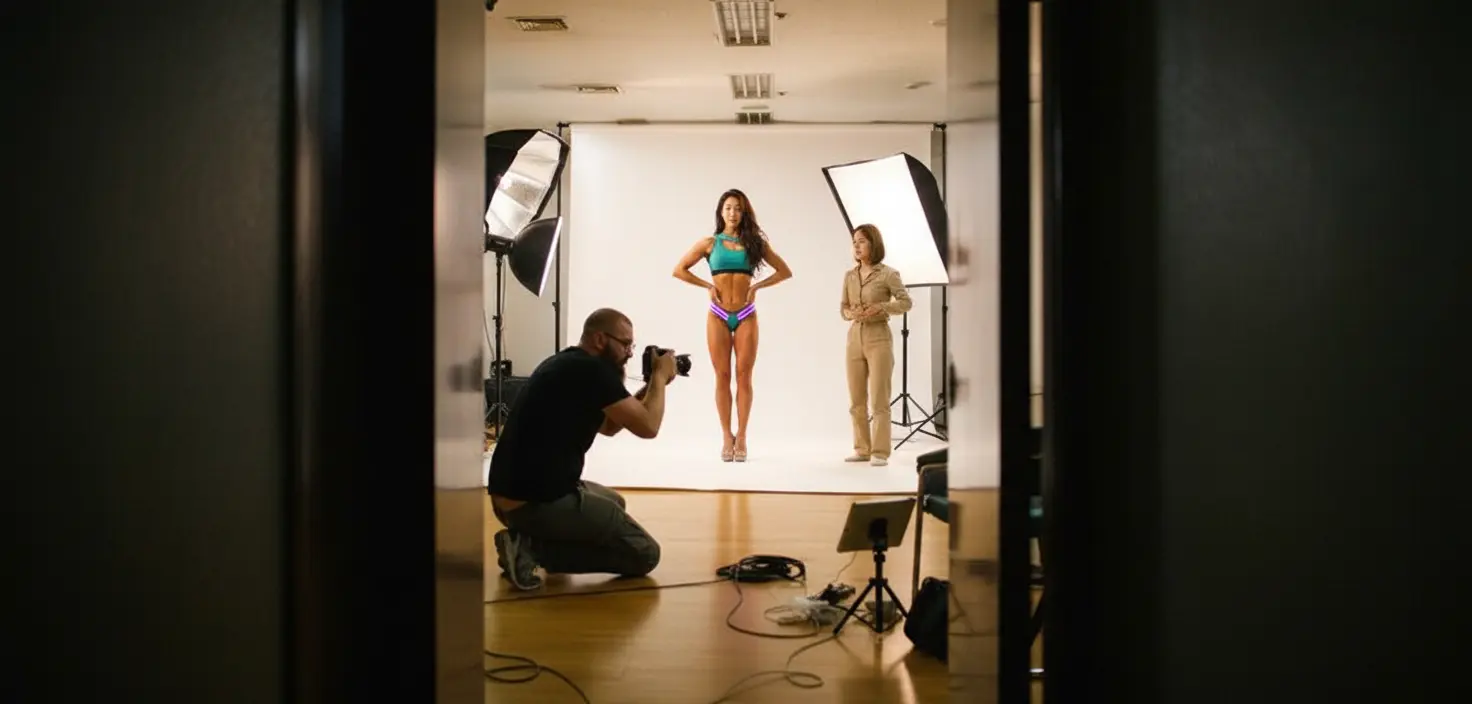
Forget everything you thought you knew about Korean beauty. Gone are the days when only pale, delicate, super-slim silhouettes reigned supreme—young women in South Korea are now rewriting the rules and flexing some serious muscle (literally and figuratively). Welcome to the age of “geongangmi,” where the definition of beauty is getting ripped, golden, and just a little bit rebellious.
The Rise of Geongangmi: Muscles Over Manners?
If you ask around Seoul, you’ll quickly hear about geongangmi (건강미)—the ‘healthy beauty’ movement. Once upon a time, the path to fitting Korean beauty standards was paved with glassy-white skin and a weight so low you could be blown away by a gentle spring breeze. Now, however, geongangmi has burst onto the scene, flipping the script by showcasing athletic, strong, and even bronzed bodies. It’s not just a fashion statement; it’s social change with a sweatband.
- It’s not just an aesthetic: geongangmi is about strength, activity, and even a touch of sun—standing out against Korea’s traditional ideals.
- It’s catching on: Especially among young women fed up with the pressure to shrink themselves, literally and metaphorically.
Meet the Muscle Generation
Want proof? Yoo Wonhee, a 26-year-old who hit the gym to give her body a makeover, puts it plainly: « I just think having muscles looks cooler. I don’t want to be skinny, I want to be bigger. There are, of course, social norms, but for me there is no better standard than being satisfied with oneself. » It’s an anthem for self-acceptance, one rep at a time.
This isn’t just a trend; it’s a transformation. Workouts—think muscle-building sessions, Pilates, and every type of fitness challenge you can imagine—have become central to the new ideal. According to research by Euromonitor, in just four years, the number of 20-year-olds regularly visiting gyms in South Korea has more than doubled. That’s a lot of protein shakes.
- Strength training is in: Pilates, weightlifting, and fitness are no longer just hobbies but tickets to geongangmi status.
- Public figures join in: From pop sensation Hyolyn to actress and boxer Lee Si-young, the stars are muscling into this wave—literally—as they become role models for those who see power as beautiful.
Changing the Fitness Conversation
Koo Hyun-kyung is one of the entrepreneurs leading this movement: at 29, she owns a women-only gym specializing in bodybuilding and weightlifting. She’s noticed a seismic shift among her clients: « For most of them, the goal of training is no longer to lose weight, but to improve their quality of life. You can’t have a pale, thin body and succeed in fitness, so people tend to change beauty standards to align with their goals. »
It has to be said, geongangmi isn’t just about what’s on the outside—it’s influencing young women to rethink what it means to feel good in their skin (and muscles). The traditional pursuit of weight loss is making way for ambitions of strength, resilience, and energy.
One Standard Ends, Another Begins?
Hold your gym bags—there’s still some debate sweating it out behind the scenes. Not everyone is eager to trade one beauty ideal for another. While some celebrate the shift from the so-called ‘fragile purity’ expectations, others view ‘healthy beauty’ as just one more order women are pressured to obey. As one blogger wryly notes: « Before, I had to starve myself. Now, I have to starve myself and exercise. »
- Not all are convinced: Some prefer the old ideals.
- For others, it’s just new rules imposed in place of the old.
Whatever side you’re on, it’s clear South Korea’s beauty scene is alive with fresh energy. Whether geongangmi is a revolution or just a rebrand, one thing’s certain—women are claiming the space to choose what strong, beautiful, and happy means to them.
Advice for the road? Whether you’re chasing muscles or just chasing happiness, let your own satisfaction set the standard. And maybe, just maybe, squeeze in a little Pilates along the way—if only for fun.

John is a curious mind who loves to write about diverse topics. Passionate about sharing his thoughts and perspectives, he enjoys sparking conversations and encouraging discovery. For him, every subject is an invitation to discuss and learn.